




Email Marketing Strategies


Email marketing is still one of the most effective tools that digital marketers have. Businesses in all fields put a lot of value on this channel because it has a mind-blowing return on investment (ROI) of $36 for every dollar spent. But how can you make advertisements that stand out in packed inboxes and get outcomes that can be measured? In this complete book, we’ll talk about email marketing methods that work, how to improve your campaigns, get more people to open your emails, and turn leads into loyal customers.
What is email marketing, and why is it important?
Sending targeted emails to a set of people is what email marketing is all about. Email marketing lets you send messages directly to your audience’s mailbox, unlike social media, where algorithms decide who sees what.
The good news? There are some intriguing new trends in email marketing. Brands are seeing real increases in both open rates and click-through rates by moving away from quick fixes and toward longer-term plans that focus on trust, relevance, and design.
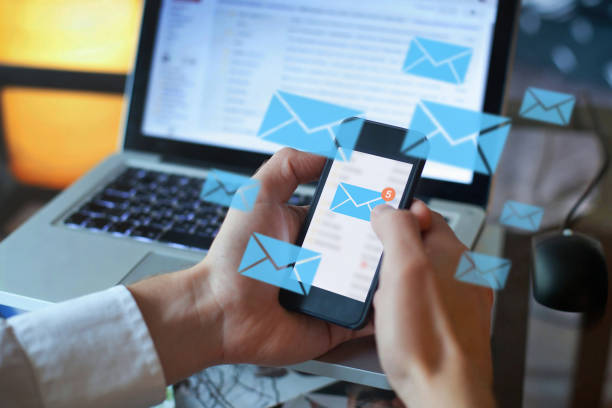
Making a Sender Identity That People Will Recognize
Subject line tests still matter. A well-written opening may make people want to learn more and make your message stand out. But what really makes people open emails is knowing who sent them.
People read communications from people they trust and from brands that always give them something useful. That means that real innovation isn’t just adding an emoji or changing a term. It’s about making the person behind the email stronger.
1. Personalization Beyond Names –
Email customization has come a long way from putting the person’s first name at the top of the marketing email. Advanced personalization uses data like the following:
Behavioral Insights: A personalized marketing email based on the category you “browsed,” your buying habits, or a previous communication.
2. Started and Auto Emails Note –
Email marketing takes away a lot of the guesswork and makes sure that communication goes out at set times. Triggered emails, on the other hand, are sent out automatically based on behavior or set rules. Some examples are:
Welcome Series: Send new subscribers a series of communications about the benefits of being a brand.
3. Making it work on mobile
45% of the people who answered the study said they read emails on a mobile device, thus making sure it works on mobile is no longer an option; it’s a must. Some important strategies are:
4. Responsive design
Make sure your emails look good on all screens, from PCs to cellphones. The mix of AI and its smaller part, machine learning—
AI and machine learning are transforming email marketing by allowing for predictive analysis, improved targeting, and messages that are more tailored to each person. Use tools that use AI to:
5. Take care of privacy and compliance, and accept it.

It is even more vital to obey the regulations of GDPR, CAN-SPAM, and CCPA these days, when data privacy is so important. To build trust and make sure everyone follows the rules:
Getting Clear Consent: Only send emails to those who have said they want to get them from your company.